
Motor Vehicle Therapy
Recover from Accident Trauma and Feel Safe Driving Again
At Journey Psychology, we provide specialized motor vehicle accident therapy in Sherwood Park to help you recover emotionally after an accident, reduce anxiety, and rebuild confidence in driving and everyday life.
“Healing is not linear, but each small step is progress.”
– Judith Herman
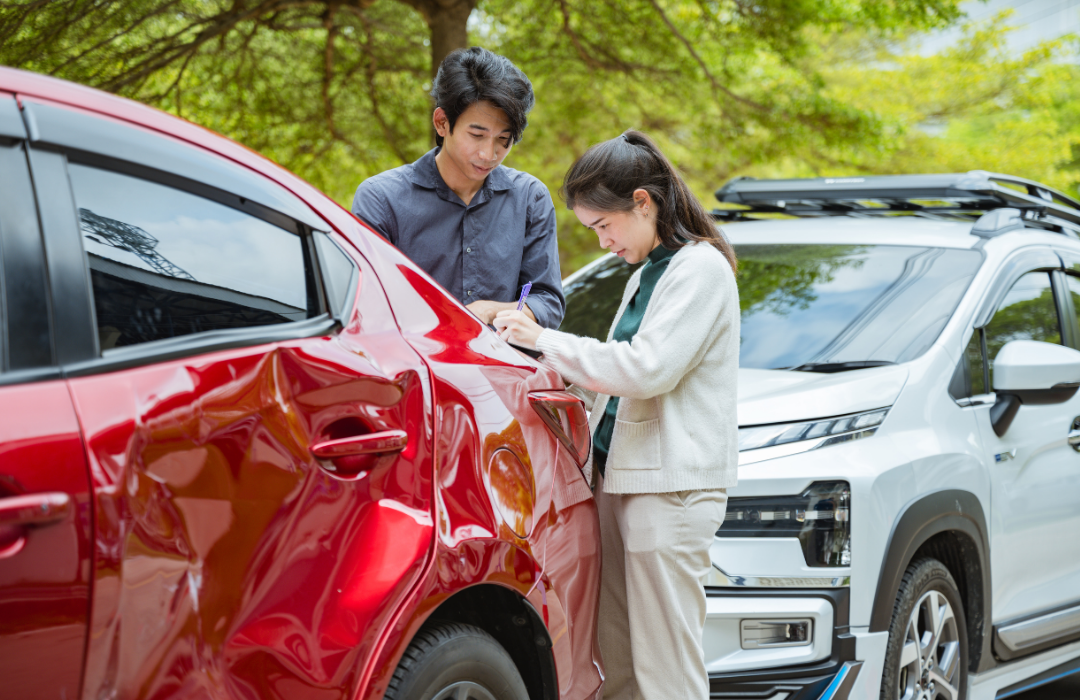
Understanding Motor Vehicle Accident Trauma
A motor vehicle accident, whether involving a car, motorcycle, truck, or other vehicle can be life-altering, even after physical injuries heal. Many people experience emotional symptoms such as anxiety, fear of driving, flashbacks, or hypervigilance after an accident.
If you’re asking yourself “Why do I feel anxious after a car accident?” or “Why am I scared to drive again?”, you’re not alone. These reactions are your body’s natural response to trauma.
After an accident, your nervous system can stay in “fight-or-flight” mode, making it difficult to relax or feel safe. You may also notice:
- Fear when driving or being a passenger
- Avoidance of highways, intersections, or certain routes
- Guilt or self-blame (“I should have reacted differently”)
- A loss of confidence and independence
Without support, these symptoms can continue or worsen over time. Therapy helps you process the experience, calm your nervous system, and feel safe again.
Common Symptoms After A Motor Vehicle Accident
Flashbacks or intrusive memories of the accident
Fear of driving or being a passenger
Emotional numbness or detachment

Sleep disturbances, including nightmares
Anxiety, hypervigilance, or feeling constantly “on edge”
Feelings of helplessness, guilt, or self-blame
Avoidance of driving, roads, or reminders of the accident
How Therapy Can Help
At Journey Psychology, we provide trauma therapy for motor vehicle accidents in Sherwood Park using proven, evidence-based approaches. Our therapists use:
Cognitive Behavioural Therapy (CBT):
To reduce anxiety and change unhelpful thought patterns.
Eye Movement Desensitization and Reprocessing (EMDR):
To process traumatic memories and reduce emotional distress.
Nervous System Regulation Techniques:
To help your body feel calm and safe again.
If you’re wondering “Can therapy help with driving anxiety?” or “How do I recover after a car accident?”, the answer is yes. Therapy helps you safely process trauma and rebuild confidence at your own pace.
MVA Therapy Supports You In
- Making sense of your accident and the emotional impact it’s had on you
- Reducing anxiety, fear, and hypervigilance around driving or being in any vehicle
- Processing flashbacks, intrusive memories, or nightmares safely
- Rebuilding a sense of safety and trust in your body and surroundings
- Letting go of guilt, self-blame, or “what if” thoughts
- Gradually restoring confidence and independence in daily life
How Therapy Supports Recovery After An Accident
- Reduced anxiety and hypervigilance while driving or being a passenger
- Effective processing of flashbacks, intrusive memories, and nightmares
- Calmer nervous system through grounding and regulation techniques
- Restored confidence and independence in daily commutes
- Release of guilt, self-blame, and “what-if” thought patterns
- Gradual re-exposure to triggers in a safe, supported environment
- Enhanced emotional resilience to navigate the aftermath of the event
Why Choose Journey Psychology?
We understand how overwhelming accident-related trauma can feel. At Journey Psychology, we offer:

Therapists experienced in motor vehicle accident trauma and PTSD
A calm, supportive, and non-judgmental environment
Personalized treatment plans tailored to your comfort and goals
In-person and virtual options to make therapy accessible and comfortable

Coping Tools We Teach
- Grounding and breathing techniques to manage anxiety and flashbacks
- Gradual, supported re-exposure to driving or being a passenger
- Tracking anxiety patterns to recognize progress
- Gentle movement or physical activity to support recovery
- Building supportive connections with others
- Practicing patience and self-compassion through healing
What to Expect
Your therapy experience is supportive, paced, and tailored to you:
1. Complimentary 15-Minute Consultation
A brief call to understand your experience and match you with the right therapist.
2. First Session
We focus on building safety, understanding your symptoms, and identifying your goals.
3. Personalized Treatment Plan
Together, we create a plan focused on trauma recovery, reducing anxiety, and rebuilding confidence.
FAQ: Motor Vehicle Accident Therapy
How do I know if I have trauma after a motor vehicle accident?
If you’re experiencing ongoing anxiety, fear of driving, flashbacks, nightmares, or avoiding reminders of the accident, it may be a sign of trauma. Therapy can help assess and support your recovery.
Is it normal to feel scared to drive after an accident?
Yes. Fear of driving or being a passenger is a very common response after an accident. With the right support and gradual exposure, most people can regain confidence over time.
What is driving anxiety and can therapy help?
Driving anxiety is a fear response that can develop after an accident or stressful experience on the road. Therapy helps reduce anxiety, build coping skills, and restore confidence behind the wheel.
Can I recover from accident-related PTSD without medication?
Yes. Many people recover using therapies like CBT and EMDR, which are highly effective for trauma. Medication can be helpful for some, but it’s not required for recovery.
How soon should I start therapy after a motor vehicle accident?
You can start therapy at any time, immediately after the accident or even months or years later. Early support can help prevent symptoms from becoming more severe.
Why do I feel fine at first but worse later?
It’s common for trauma symptoms to appear days or weeks after an accident. Your body may initially go into survival mode, and symptoms emerge once things slow down.
Will I have to talk about the accident in detail?
Not right away. Therapy is paced based on your comfort level. You won’t be pushed to discuss anything before you feel ready.
Can therapy help if I was not the driver (passenger, pedestrian, etc.)?
Absolutely. Trauma can affect anyone involved in an accident, drivers, passengers, cyclists, or pedestrians.